


Papua New Guinea: Church opens Season of Creation with call to turn swords into plowshares
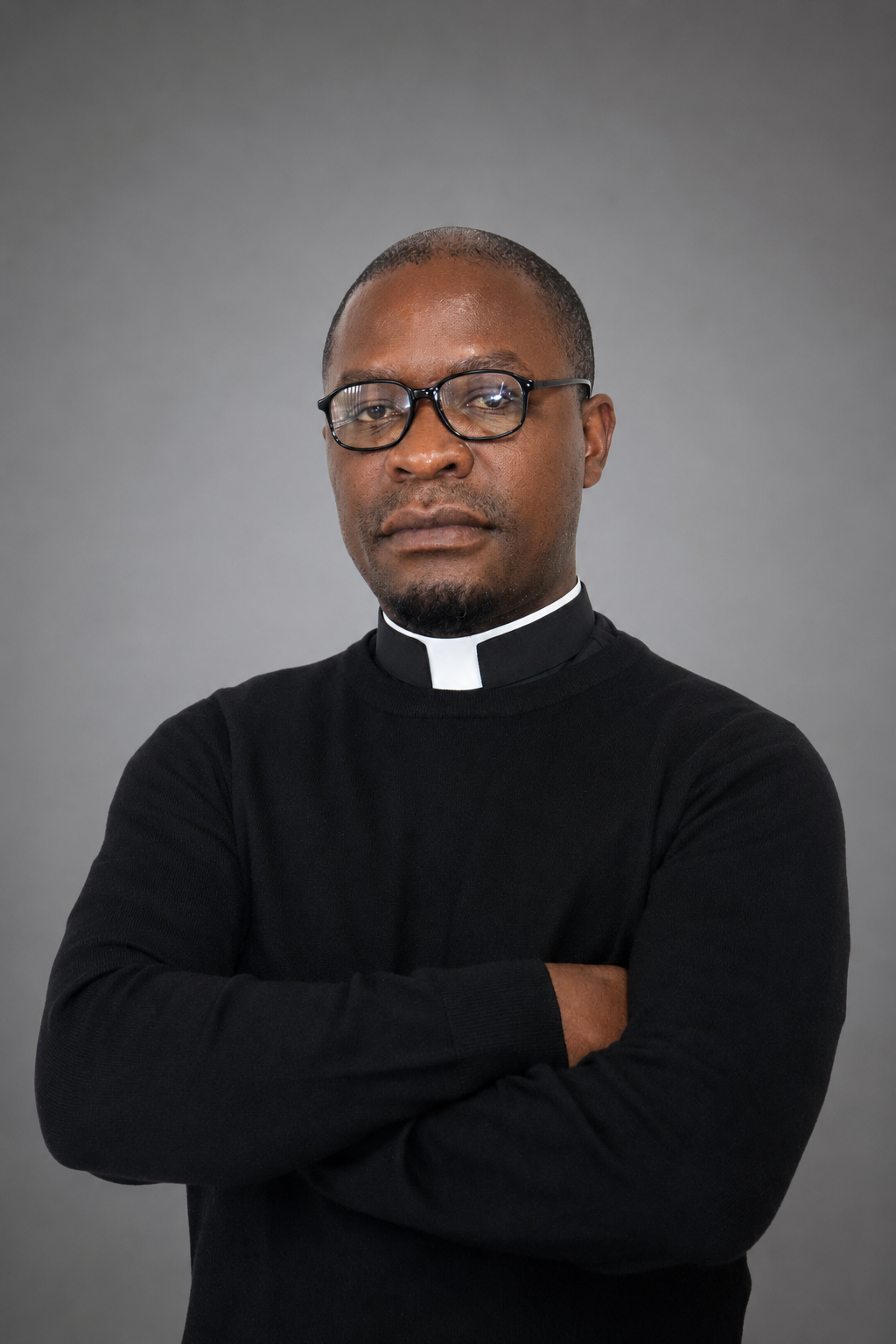
Inspired by Pope Leo XIV's World Day of Prayer for Creation message, the Catholic Bishops of Papua New Guinea and Solomon Islands launch the Season of Creation with an appeal for ecological conversion and an end to practices destroying coral reefs.
Port Moresby: The Catholic Church in Papua New Guinea and Solomon Islands has opened the 2026 Season of Creation with a call for a deep ecological conversion that is inseparable from social transformation.
The Season, which runs from 1 September, the World Day of Prayer for the Care of Creation, to 4 October, the Feast of St. Francis of Assisi, was inaugurated this year at a moment of double significance: the 800th anniversary of the death of St. Francis, Patron of Ecology, and amid a growing national crisis facing the reefs and coastal communities of Papua New Guinea.
At the heart of the celebration is the Message of Pope Leo XIV for the 11th World Day of Prayer for Creation, published by the Dicastery for Promoting Integral Human Development. For his first World Day message, the Holy Father has chosen the prophetic image from Isaiah:
“They shall beat their swords into plowshares and their spears into pruning hooks” (Is 2:4).

Pope Leo XIV: War wounds the whole fabric of life
In his Message, Pope Leo XIV warns that the wounds inflicted on humanity and the wounds inflicted on creation have the same root.
“The interaction between armed conflicts and environmental degradation often creates a vicious cycle, which destroys ecosystems, contaminates essential resources, such as air and water, and undermines food security,” the Pope writes. “War creates wounds that damage the whole fabric of life and reveals a deeper failure to live in God's image and likeness, to respect life, and to care for the earth entrusted to us.”
The Pontiff identifies the root of this cycle as an ethical and cultural failure: “the loss of a sense of limits, the desire for domination, the pursuit of immediate profit, and the inability to recognize the God-given dignity of each human person.”
His appeal, therefore, is vocational: whatever has been made for destruction must be redirected toward life — toward caring for others, especially the poor, feeding the hungry, protecting the vulnerable and safeguarding God’s creation.
Bishops of PNG: The call speaks directly to us
Receiving the Holy Father’s message on behalf of the Catholic Bishops Conference of Papua New Guinea and Solomon Islands, the General Secretary, Rev. Fr. Lawrence Arockiaraj, said the Pope’s words resonate powerfully with the reality of the nation.
“In PNG, the ‘swords’ take familiar forms: bush knives, axes, spears, bows and arrows, homemade firearms, and stones — weapons used in tribal and land disputes, election-related violence, criminal activity, domestic and gender-based violence, and attacks related to accusations of sorcery,” Fr. Arockiaraj said.
“Yet these same objects can also give life,” he added. “A bush knife can clear land and harvest crops; an axe can cut firewood and build homes; and bows, arrows, and spears can support hunting and fishing.”
For the Bishops, the conversion demanded by Isaiah’s prophecy requires addressing both the weapons and the social conditions that fuel violence.
“Transforming weapons into instruments of work therefore requires PNG to address both physical weapons and the social conditions that fuel violence,” Fr. Arockiaraj explained. “It means turning conflict towards food production, sustainable livelihoods, reconciliation, and care for our common home.”
Papua New Guinea, one of the world’s 17 megadiverse countries, with forests covering approximately 78 percent of its territory, remains wounded by models of development that extract without replenishing, the Bishops noted, in the spirit of Laudato Si’.
The cry of the reefs: from survival to sustainability
This year, the Bishops Conference is bringing into focus a concrete national concern that unites the cry of the earth and the cry of the poor: the overharvesting of live coral reefs to produce lime — known locally as kambang — for the buai [betel nut] trade.
Along the coasts of Morobe, Milne Bay, Manus and New Ireland, live coral is broken and burned to produce kambang. On the Siassi Islands in Morobe, bleached coral washed ashore bears witness to the scale of the practice.

“What the Holy Father calls the ‘pursuit of immediate profit’ often takes the form of survival in Papua New Guinea,” Fr. Arockiaraj noted. “While scientific studies confirm coral harvesting is an environmental threat, lime-making remains one of the few sources of income in some coastal communities.”
The consequences are devastating, the Bishops warn. PNG’s reefs, among the most biodiverse in the world, sustain marine life and act as natural barriers against king tides and storms. Fishermen must now paddle further to find fish, while coastal erosion accelerates. At the same time, buai and kambang abuse is linked to serious health risks, including mouth cancer.
“A culture that harms itself and its environment is not a good culture. A habit that destroys our health is not a good habit,” Fr. Arockiaraj said. “To care for the sea is to care for ourselves.”
“This is not a condemnation of our people, who depend on this income to survive, but a call for sustainable alternatives as the Holy Father Pope Leo XIV is teaching us that the cry of the earth and the cry of the poor are one.”
Three-fold path: from prayer to concrete action
Echoing the call to turn swords into plowshares, the Bishops Conference has proposed a three-fold pastoral path for the Season of Creation, rooted in community participation and a Sustainable Livelihoods Framework:
1. Educate and Convert: Parishes, schools and communities are encouraged to examine their responsibility for peaceful co-existence, to protect the environment, particularly coral reefs, and to reflect on the health risks of buai and kambang abuse.
2. Restore and Protect: Communities are invited to take part in coral restoration, mangrove planting for coastal protection, responsible gardening and land care, and keeping surroundings clean.
3. Provide Sustainable Alternatives: Families should be supported through training in alternative small-scale businesses that protect marine life, securing livelihoods while safeguarding lives and creation.
Aitape opens the Season
The Season was solemnly opened on 1 September in the Diocese of Aitape. At St. Solano Chapel, the Franciscan Family gathered for Holy Mass celebrated by Rev. Fr. Peter Minh, OFM, and Rev. Fr. Walter, OFM, in the presence of Third Order Franciscans and friends of St. Francis. The liturgy included the blessing of seedlings, plants and domestic animals.
“United in prayer, we gave thanks to God, the Creator, for the gift of our common home and for all creation entrusted to our care,” Fr. Minh said. “Caring for creation is not simply an environmental responsibility — it is also a Christian vocation.”

Celebrations will continue in dioceses across Papua New Guinea and Solomon Islands until the concluding feast of St. Francis on 4 October.
“Let us praise God by caring for His creation,” Fr. Arockiaraj concluded.


Comments