


Archbishop Tatamai: Kokoda Track Remains a School of Shared Humanity
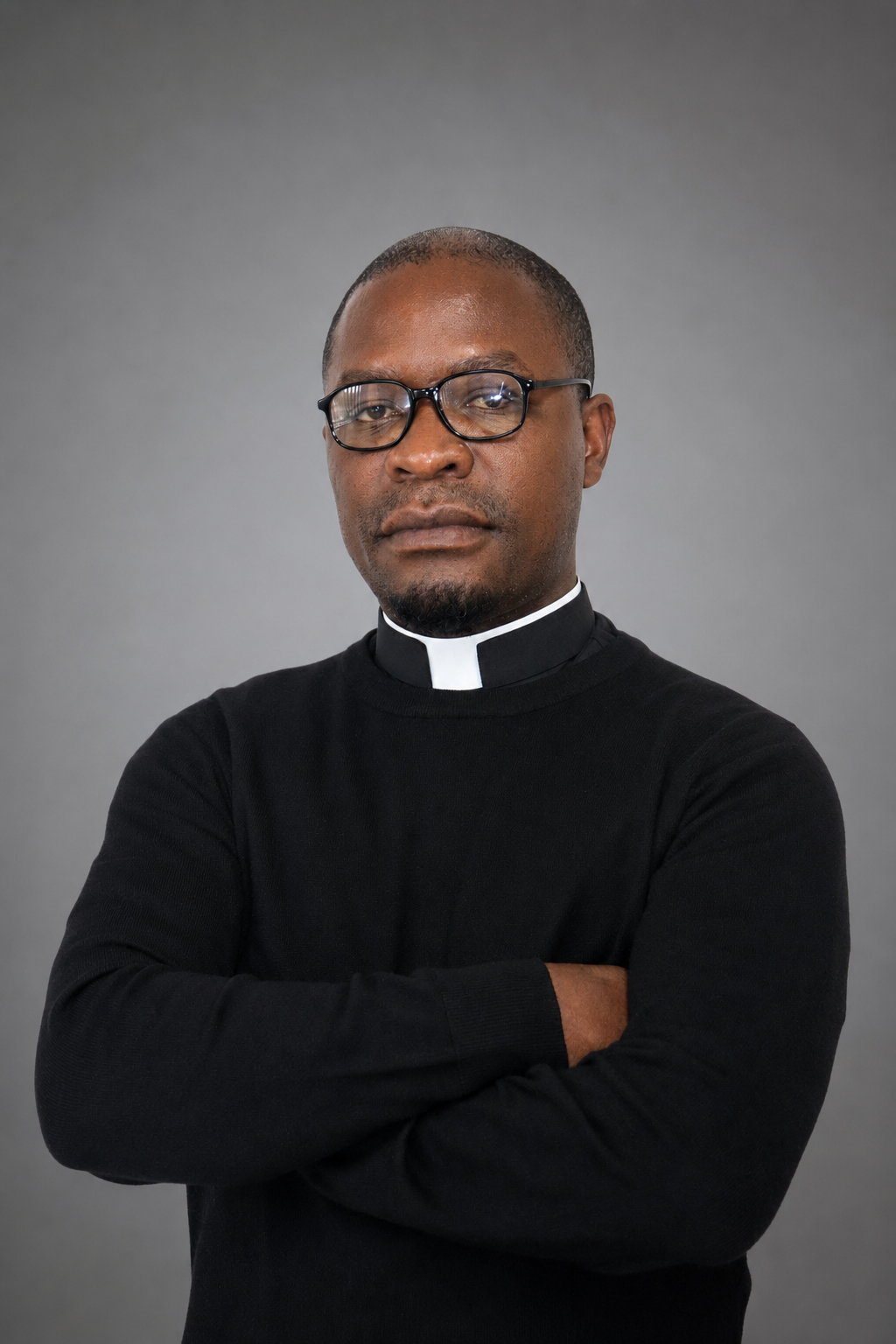

SYDNEY, 3 November 2026 — At the Kokoda Track Memorial Walkway in Concord, Sydney, on the 30th Anniversary of Kokoda Day, Archbishop Rochus Josef Tatamai, MSC, Archbishop of Rabaul, offered a moving reflection on Kokoda.
He did not speak first of generals or strategy. He spoke of people who suffered together and protected each other. Of carriers who became angels. Of a lay catechist who became a saint. Of ordinary men and women who defended human values when it would have been easier to look away.
“What happened on that track was not just a battle. It was the defence of a way of life, a culture of genuine love and freedom, and a mutual bond between two peoples.”
In the presence of the Governor-General, the Acting Prime Minister, veterans, families of the Fuzzy Wuzzy Angels, students and children, the Archbishop said Kokoda was not only a battle, but one of the most defining chapters in the shared history of Australia and Papua New Guinea. It was a place where people lived — on mud, in rain, and under fire.
The heroes of Kokoda were not the mighty. They were brave, courageous and caring.
The Saint from Rakunai
At the centre of the Archbishop’s address stood the example of Saint Peter ToRot of Rakunai, East New Britain.
ToRot was not a priest. He was a lay catechist, a husband and a father.
When the Japanese occupation of Rabaul forbade Christians to worship between 1942 and 1945, he continued to pray, to teach, to baptize children, and to defend Christian marriage. For that fidelity, he was arrested and killed by lethal injection in July 1945. He was canonised by Pope Leo XIV on 19 October 2025.
“His martyrdom reminds us that the war in Papua New Guinea was not only a military campaign, but a test of faith, a trial of conscience, and a direct attack on human dignity and well-being.”
“Saint Peter ToRot stands as the eternal symbol of Papua New Guinean courage and steadfast conviction — that true freedom is spiritual as well as physical.”
The Angels on the Track
Beside ToRot, the Archbishop placed Papua New Guinea’s home-grown heroes, the Fuzzy Wuzzy Angels.
“They were not soldiers by uniform, but they were angels by deed and lived the true spirit of the Good Samaritan.”
These Papua New Guinean carriers and stretcher-bearers carried not only the supplies to the front line, but the wounded down the track on stretchers made of bush timber — often for days, through enemy fire and pouring rain.
“They did not have to do this. But with the spirit of fellow human compassionate love and care, with gentle hands and smiling faces, they lived the true meaning of ‘Wantok’ — one talk, one people, one journey, one humanity, one planet.”
“Many of them died. We will never forget them. As one Australian digger said, ‘They carried us as if we were their brothers.’”
They did not ask who the wounded man was. They saw a brother in need, and they stopped; they lifted, they carried.
For the Archbishop, this is living the parable of Luke 10. Neighbourliness is not defined by tribe, nation, uniform or religion. It is defined by compassion in action.

Three Enduring Lessons
The Archbishop concluded his address with a poem and three enduring lessons for both nations.
1. Our security is shared and indivisible.
“ Australia cannot be secure without a secure and strong Papua New Guinea, and Papua New Guinea is stronger when Australia stands with it.”
2. True partnership is people to people.
The alliance was not made in offices, he said, but on the track —The Good Samaritan walked the track and saw a wounded digger and carried him, two peoples discovering that they were brothers. True partnership is people to people, built on mutual respect, inclusive equality, and boundless wantokism.
The Fuzzy Wuzzy Angels show that charity does not wait for orders from above. It responds, person to person, wound to wound.

3. Courage means service to others.
This is the Archbishop’s central moral point of Kokoda. Courage is not domination. It is self-gift. It is the willingness to lay down one’s life, one’s comfort, one’s safety, for the sake of another. A nation, like a person, is judged not by how much power it holds, but by how faithfully it serves the vulnerable, the young, the poor, and the forgotten. That is why the Archbishop named the new challenges of our time — climate change, regional security, and youth unemployment — as the new Kokoda. They are the places where courage must now become service.
The war on the Kokoda Track, and the persecution that led to the martyrdom of Saint Peter ToRot, were both, at their root, attacks on human dignity. They denied the image of God in man. To defend a nation is to defend the dignity of every person within it — Australian and Papua New Guinean, soldier and carrier, Christian and neighbour.
The Archbishop concluded with a reminder that remembrance is a moral duty: Lest We Forget, Lest We Repeat. To remember is to refuse to let suffering be wasted. To remember is to learn. To forget is to risk repeating the same mistakes: the denial of dignity, the suppression of conscience, the idolatry of power, the breaking of human fellowship that leads to war.
“We will remember them. Lest We Forget.”


Comments